

A Stain-Free Cannabis and Essential oil Rub for Pain, Sore Muscles and Joints
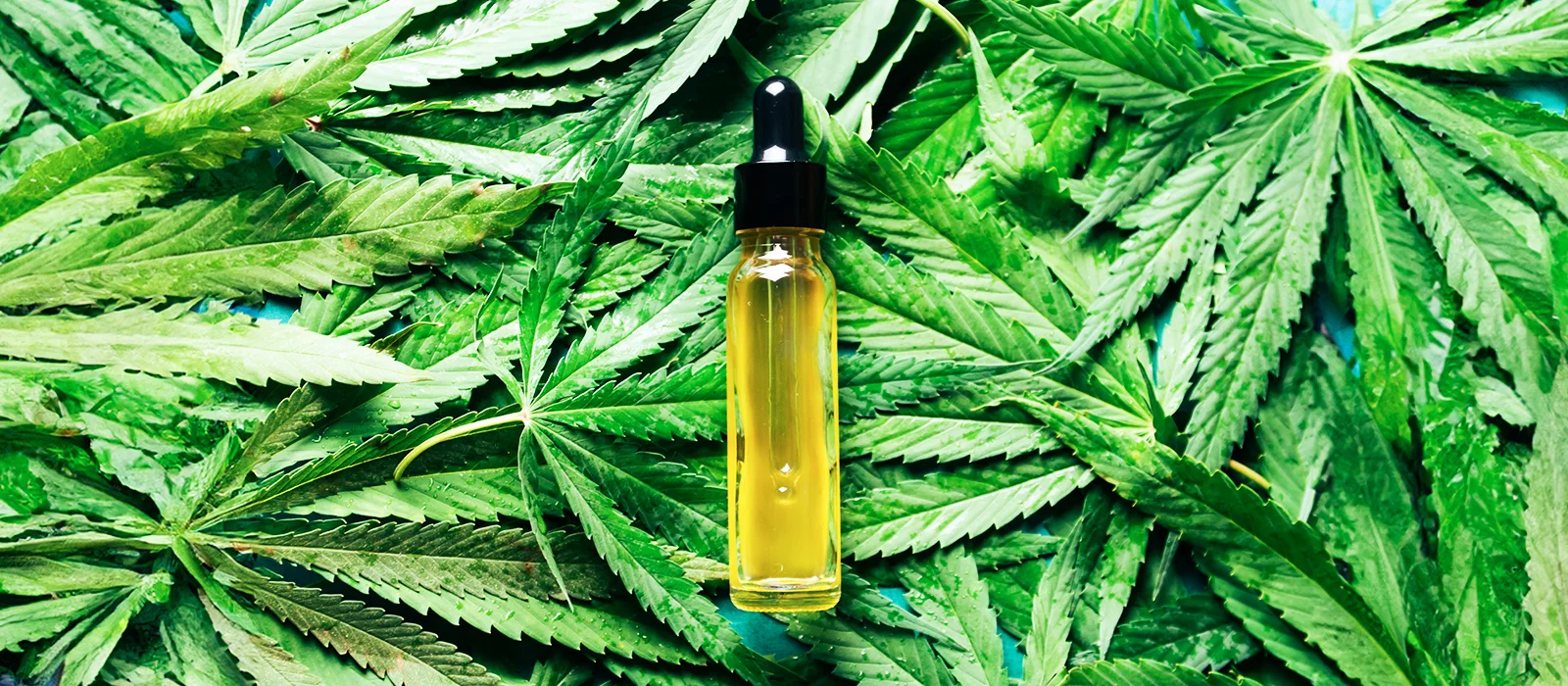
A homemade cannabis rub, made from garden-grown flower, rubbing alcohol, menthol and essential oils. Photo: Good Shepherd Media
A cooling, homemade cannabis rub can ease everyday aches, and you can make a gallon of it for the price of a few store-bought jars. It won’t get you high, and made the right way, it won’t ruin your clothes.
I started making this rub for sore joints and muscles after long days in the shop and on the ranch. The formula has been through a few rounds of testing: cannabis from the garden, high-proof rubbing alcohol, menthol, and a careful blend of essential oils. Here is the version that works, scaled to a single gallon, with every ingredient that stains left out.
Why each oil is in the blend
Each oil earns its place by cooling, warming, relaxing, reducing inflammation or scenting the rub. Most of these uses come from long tradition and small studies, not large clinical trials. Menthol is the only ingredient here that the FDA recognizes as a topical pain reliever.
Cooling
| Ingredient | What it brings |
|---|---|
| Menthol crystals | Triggers the skin’s cold receptors, so the area feels icy and pain signals quiet down. It’s the active ingredient in many drugstore rubs. |
| Peppermint | About 40% menthol, so it boosts the cooling and adds a clean mint scent. |
| Spearmint | A softer, sweeter mint. It adds cooling without the sharp bite of peppermint. |
| Eucalyptus | A cooling counterirritant long used in muscle rubs. Its fresh scent also opens the airways. |
Warming
| Ingredient | What it brings |
|---|---|
| Rosemary | A traditional rub for tired muscles and stiff joints. It gives a gentle warming feel. |
| Black pepper | Warming. It contains beta-caryophyllene, a compound also found in cannabis that acts on the body’s CB2 receptors in lab studies. |
| Ginger | A deep, slow warmth. Ginger compresses and massage have been tried for stiff knees in small studies. |
| Juniper | A classic warming oil in old-fashioned liniments. |
| Clove | Contains eugenol, the numbing compound dentists use for tooth pain. Powerful, so it’s used in small amounts. |
| Thyme | Contains thymol, which warms the skin. Very strong, so a small amount goes a long way. |
Relaxing and soothing
| Ingredient | What it brings |
|---|---|
| Lavender | Calming scent that studies link to relaxation and better sleep. It also rounds off the harsher oils. |
| Marjoram | A traditional choice for tense, knotted muscles. Warm and herbal. |
| Clary sage | Relaxing. It’s used traditionally for cramps and muscle tension. |
| Basil | A traditional oil for sore, overworked muscles, with a fresh herbal note. |
| Frankincense | Long used on aching joints. Note that the anti-inflammatory compounds studied for arthritis are in oral boswellia extracts, and the oil has little of them. |
Scent
| Ingredient | What it brings |
|---|---|
| Lemongrass | A bright citrus note. Its main compound, citral, showed anti-inflammatory effects in lab studies. |
| Bergamot (FCF) | An uplifting citrus scent that ties the blend together. The FCF type has the sun-sensitizing compound removed. |
What the science says, honestly
Many people find cannabis rubs help arthritis and muscle soreness, but the clinical evidence is still being studied. Cannabinoids applied to skin stay mostly in the skin, which is why a rub doesn’t cause a high.
Part of the relief comes from ingredients with a longer track record. Menthol is the active ingredient in many drugstore pain rubs, and the cooling alcohol and the massage itself help too. Think of this as a comfort rub, not a medicine.
Many people do find it relieving when used regularly it seems to relieve inflammation, which is for many inflammation is a major reason they have pain.
Ingredients (makes 1 gallon)
Base
| Ingredient | Amount |
|---|---|
| 99% isopropyl alcohol | 1 gallon |
| Dried cannabis flower or trim | 100 g (about 3½ oz) |
| Menthol crystals | 3 oz (about 85 g) |
| Cannabis concentrate, optional | 10–15 g, decarbed |
Essential oils (about 95 ml total, roughly 2.5% of the batch)
| Oil | Amount |
|---|---|
| Rosemary | 1 Tbsp |
| Spearmint | 2 tsp |
| Eucalyptus | 2 tsp |
| Lavender | 2 tsp |
| Peppermint | 1¼ tsp |
| Black pepper | 1 tsp |
| Ginger | 1 tsp |
| Marjoram | 1 tsp |
| Frankincense | 1 tsp |
| Juniper | 1 tsp |
| Bergamot, bergapten-free (FCF) only | 1 tsp |
| Clary sage | ½ tsp |
| Basil | ½ tsp |
| Clove (skin irritant, don’t exceed) | ½ tsp |
| Lemongrass (skin irritant) | ½ tsp |
| Thyme (skin irritant) | scant ½ tsp |
More oil is not better. Keep the total around 2–3% of the batch, or the rub starts to burn.
Left out on purpose: turmeric, patchouli, sandalwood, rose, German chamomile and yarrow oils (they’re blue), and steeped herbs. All of them tint the liquid and can mark fabric. Regular bergamot is left out because it can cause sunburn-like reactions on treated skin.
New to cannabis? Start here
You don’t need any experience to make this. If you can bake cookies and follow a recipe, you can make this rub.
Where to buy it. Go to a licensed dispensary (adults 21 and over in California). Tell the staff you’re making a rub for sore joints. Ask for “shake” or “trim”: smaller leftover pieces that work just as well and cost much less. If you’d rather avoid THC altogether, ask for a high-CBD or 1:1 CBD-to-THC flower.
What you’ll need from your kitchen
- A baking sheet and parchment paper
- An oven, plus an inexpensive oven thermometer (most ovens run hotter or cooler than the dial says)
- A large glass jar or jug with a tight lid
- Cheesecloth and coffee filters
- A funnel and dark glass bottles
- Kitchen gloves, if you have sensitive skin
What “decarb” means
Raw cannabis is mostly in an inactive form called THCA. Gentle heat converts it to the active form, THC, the way toasting bread changes it. This step is called decarboxylating, or “decarb” for short. It doesn’t make the rub intoxicating on your skin. It simply activates more of the plant.
Here’s how to do it:
- Heat the oven to 240°F. Check the oven thermometer, because too hot burns off the good compounds.
- Break the cannabis into small pieces, about the size of a pea. Your fingers work fine. Don’t grind it to powder.
- Spread it in a single layer on a parchment-lined baking sheet.
- Bake for 30–40 minutes. Stir it once halfway through.
- Look for the color change. It’s done when it turns from bright green to a light golden brown and feels dry and crumbly.
- Let it cool completely before it goes anywhere near alcohol.
About the smell: decarbing smells strong for about an hour. Turn on the stove fan or open a window. Some people use an oven bag or a covered baking dish to keep the smell down.
How to make it
- Decarb the cannabis as described above, and let it cool.
- Soak it briefly. Put the cooled cannabis in your jar, pour the alcohol over it, close the lid tight, and shake for 3–5 minutes. A short soak keeps the rub light in color.
- Strain it. Pour through cheesecloth set in a funnel. Put the same cannabis back in the jar, pour the strained alcohol over it again, and shake another 3–5 minutes. Strain again.
- Strain once more through a coffee filter. This takes a little patience, so let gravity do the work.
- Dissolve the menthol. Add the menthol crystals and shake until they disappear, about 5 minutes.
- Add the essential oils. Measure each one with measuring spoons and shake well. A little cloudiness is normal.
- Test it on yourself first. Rub a dime-sized spot on the inside of your forearm and wait 24 hours. If there’s no redness or itching, it’s ready to use.
- Bottle and label it. Use a funnel to fill dark glass bottles. Write “EXTERNAL USE ONLY – FLAMMABLE” and the date on every bottle.
To use it: rub a small amount (about a teaspoon) into the sore area until it dries. Use it up to 3–4 times a day. Expect a cool tingle first, then gentle warmth.
Optional, for experienced makers: cannabis concentrate (wax) can be added for extra strength. Decarb 10–15 g in a small glass dish at 250°F for 30–45 minutes, until it stops bubbling. Let it cool, then rinse it out with some of the alcohol. Beginners can skip this; the flower alone works well.
Keeping it off your good clothes
The alcohol evaporates in minutes, but the oils and plant resin stay behind and can spot wool and silk.
- Let it dry fully, at least 15 minutes, before you get dressed. Applying at night is best.
- Wash your hands afterward so you don’t carry it to cuffs, collars or ties.
- Keep the wet rub off fabric. High-proof alcohol can loosen some dyes.
- If it does get on a garment, blot it rather than rubbing, and tell your dry cleaner it’s an oil and alcohol stain.
Storage and safety
Store it in a cool, dark cabinet with the caps tight, where it keeps 1–2 years. Skip the fridge: cold makes menthol crystallize, and fridges aren’t built for flammable vapors.
- Never heat the alcohol over a flame or in an oven. The vapors ignite easily.
- Isopropyl is poisonous to drink. Label every bottle and keep it away from children.
- Keep it off the face, eyes, mucous membranes and broken skin.
- Pets: cats are especially sensitive to essential oils, including the fumes.
- Pregnancy or seizure disorders: rosemary, eucalyptus and clary sage aren’t advised.
- If it starts to sting more than it used to, the oils have aged. Make a fresh batch.
Cannabis is legal for adults 21 and over in California. This article is for general information and is not medical advice. Talk with your doctor before using it for ongoing pain, especially if you take medication.
This article is for general information and is not medical advice. Talk with your doctor before using it for ongoing pain, especially if you take medication.