


SANTA CLARITA, CALIFORNIA
SUNDAY, JUNE 7, 2026 · VOL. 1, NO. 1
“TRUTH SERVES THE COMMUNITY”
City of Santa Clarita
Uses Public Funds to Sue
Its Own Local Journalist
A restraining order filed by two city officials and the municipality itself targets a news publisher for phone calls to City Hall and plans to report on a public assembly — raising urgent First Amendment questions at taxpayer expense.

|
The City of Santa Clarita, along with two of its named officials, has filed a Civil Harassment Restraining Order against this publication’s own publisher — a journalist — after he made approximately fifteen phone calls over ten days to city offices seeking comment from the mayor on a matter of public concern. No threats were made. No private home was targeted. The calls were placed to City Hall’s publicly listed numbers. Yet taxpayer resources are now being marshaled through the Los Angeles Superior Court to silence a local news publisher, in what legal observers say bears the hallmarks of a Strategic Lawsuit Against Public Participation — a SLAPP.
Among the most alarming collateral consequences of the temporary restraining order: an automatic firearms prohibition under California Penal Code § 29825 was imposed against the publisher — a sanction typically associated with domestic violence orders — despite no familial relationship of any kind between the parties and no allegation of violence. The publisher had announced, in his capacity as a journalist, his intent to publish City Hall’s publicly available address in connection with a planned peaceful public assembly. Far from inciting any unlawful gathering, the announcement explicitly invoked Frisby v. Schultz warnings cautioning readers against approaching private residences — responsible journalism that legal experts say affirmatively reduces the very risks the city now claims to fear. An Anti-SLAPP Special Motion to Strike under CCP § 425.16 was filed on May 19, 2026. A federal civil rights complaint under 42 U.S.C. § 1983 has also been prepared, alleging retaliation against protected First Amendment activity by a government actor. Should the Anti-SLAPP motion succeed — as the legal framework strongly suggests it should — a SLAPPback action under CCP § 425.18 is anticipated, which would seek attorney’s fees and damages from the city directly. Every dollar spent prosecuting this restraining order is a dollar of Santa Clarita taxpayer money spent suppressing local journalism. Residents deserve to know that. |
What the Record Shows
The publisher placed calls to City Hall’s public line — not to any private residence or personal number. The two named petitioners were unknown to the publisher during the calls, undermining the legal requirement that harassing conduct be “directed at” a specific person. Phone carrier records obtained by this publication contradict a screenshot exhibit submitted by petitioners purporting to show the publisher’s number — raising authentication questions under California Evidence Code §§ 1400–1402. A lawfully made audio recording of a responding police officer, admissible under PC § 148(g) and Askins v. DHS, has been identified as impeachment evidence against petitioner testimony. Key Legal Claims
“A greedy incompetant mayor office and city council , a corrupt police officer, a trash company and a developer whose interests appear closely aligned with those in City Hall. The public deserves transparency, accountability, and government decisions made for the benefit of residents—not for the benefit of insiders.” |
Legal Precedent Cuts Against the City — And Its Lawyers Know It
A 2026 California Court of Appeal ruling, Ortiz v. Saenz, directly mirrors the facts here: a restraining order sought against a government critic. It was struck down.
|
Courts have repeatedly held that speech directed at government officials on public concern matters occupies the highest tier of First Amendment protection. US v. Popa established that even heated or repeated calls to public offices may not be criminalized when the subject is a public concern. The Santa Clarita restraining order tests that boundary directly — and at public expense. |
The case echoes Lozman v. City of Riviera Beach (2018), in which the U.S. Supreme Court held that a city’s retaliatory lawsuit against a resident critic violated the First Amendment. The parallels are striking: a local government using its institutional weight and legal apparatus to burden the speech of a persistent critic rather than engage with the substance of his reporting. |
The Anti-SLAPP statute was designed precisely for this scenario. If the motion succeeds, the city faces mandatory fee awards to the prevailing defendant. Every dollar spent prosecuting this restraining order is a dollar of Santa Clarita taxpayer money spent suppressing local journalism. Residents of the Santa Clarita Valley deserve to know exactly how their money is being used. |
Santa Clarita Is Using Your Tax Dollars to Silence a Reporter
📅 Upcoming Public Hearing
Anti-SLAPP Special Motion to Strike
Case No. 26CHRO00913 · Los Angeles Superior Court, Chatsworth Courthouse
July 2, 2026 · This is a public proceeding. All residents are welcome to attend.
The city must show cause in open court why its action does not constitute a SLAPP — a Strategic Lawsuit Against Public
Participation — targeting constitutionally protected press activity.
 |
Mayor Laurene Weste |
 |
Mayor Pro Tem Patsy Ayala |
 |
Councilmember Jason Gibbs |
 |
Councilwoman Marsha McLean |
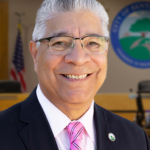 |
Councilmember Bill Miranda |
Case No. 26CHRO00913 · Los Angeles Superior Court, Chatsworth Courthouse · Published May 8th, Updated June 4, 2026