18 U.S. Code § 241 – Conspiracy against rights
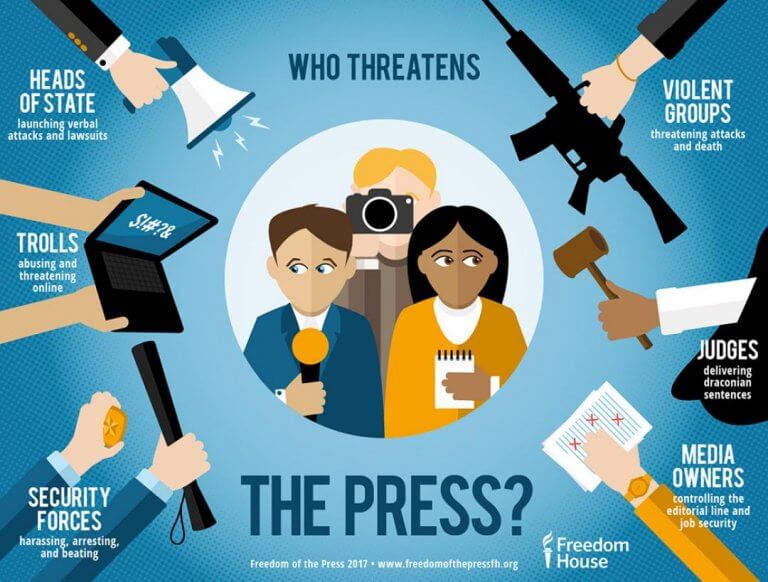
18 U.S. Code § 241 – Conspiracy against rights Section 241 makes it unlawful for two or more persons to agree to injure, threaten, or intimidate a person in the…

Good Shepherd News Media - Fastest Growing Religious, Free Speech & Political Content
Christian, Political, Social & Free Speech | ㅤⒸ2027 Good Shepherd News Media | ㅤㅤㅤㅤShepherd for the Herd ! ㅤㅤㅤㅤㅤ | ㅤGod 1st Programming
18 U.S. Code § 241 – Conspiracy against rights Section 241 makes it unlawful for two or more persons to agree to injure, threaten, or intimidate a person in the…
Fair Report Privilege – 1st Amendment The fair report privilege is a widely recognized, state-law defense to defamation actions provided to journalists when they report on or republish defamatory statements…
Expressive Conduct – 1st Amendment Expressive conduct is behavior designed to convey a message; its function as speech means that it has increasingly been protected by the First Amendment. Two…
Reno v. American Civil Liberties Union (1997) In Reno v. American Civil Liberties Union, 521 U.S.844 (1997), the Supreme Court held in a unanimous decision that provisions of the 1996…
Content Neutral – 1st Amendment Content neutral refers to laws that apply to all expression without regard to the substance or message of the expression. Such laws generally regulate only…
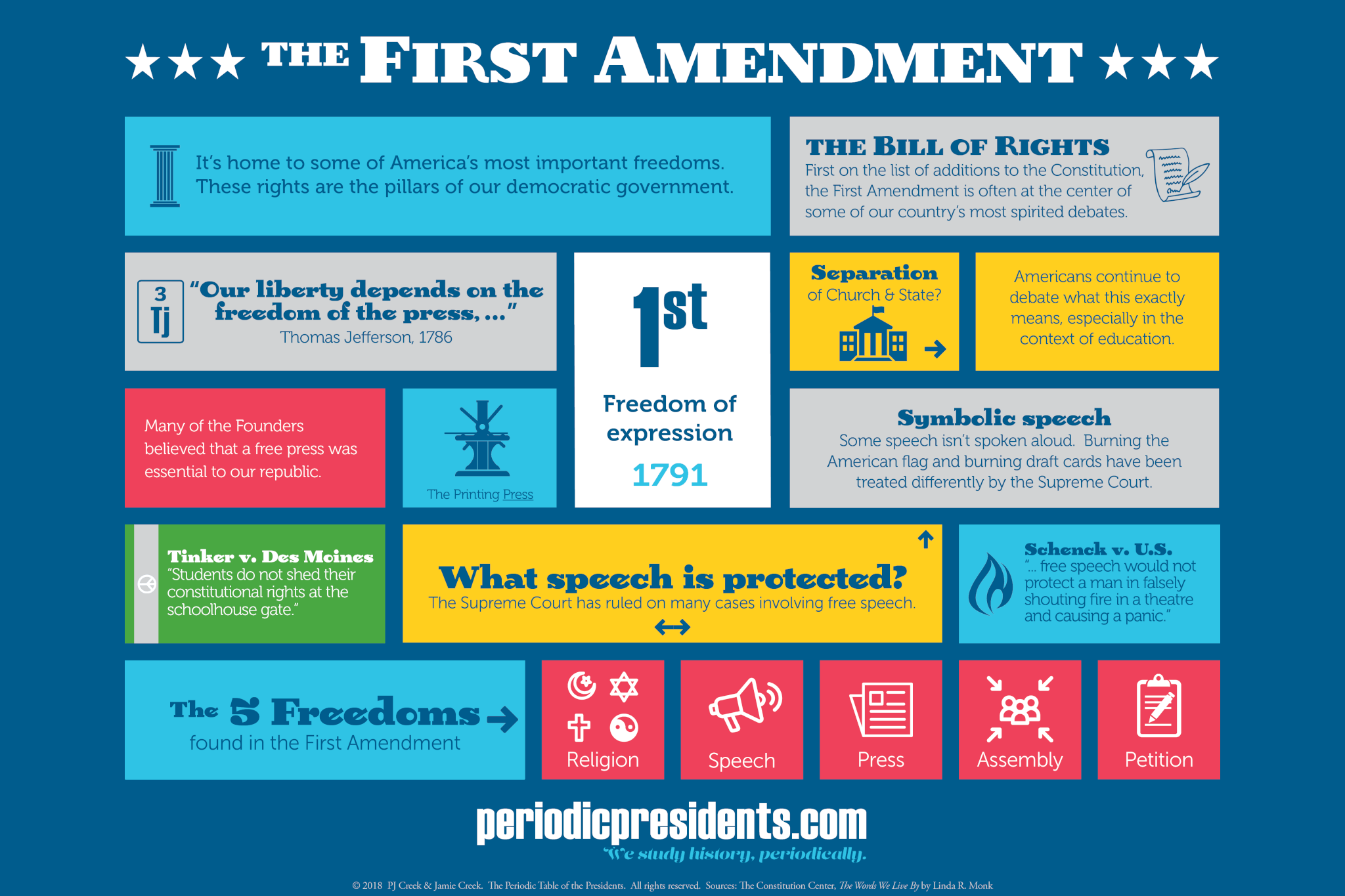
The First Amendment – Amendment I The First Amendment provides that Congress make no law respecting an establishment of religion or prohibiting its free exercise. It protects freedom of speech,…
STATE of Nebraska, appellee, v. Darren J. DRAHOTA, appellant. 788 N.W.2d 796 (2010)280 Neb. 627 STATE of Nebraska, appellee, v. Darren J. DRAHOTA, appellant. No. S-08-628.Supreme Court of Nebraska.September 24,…
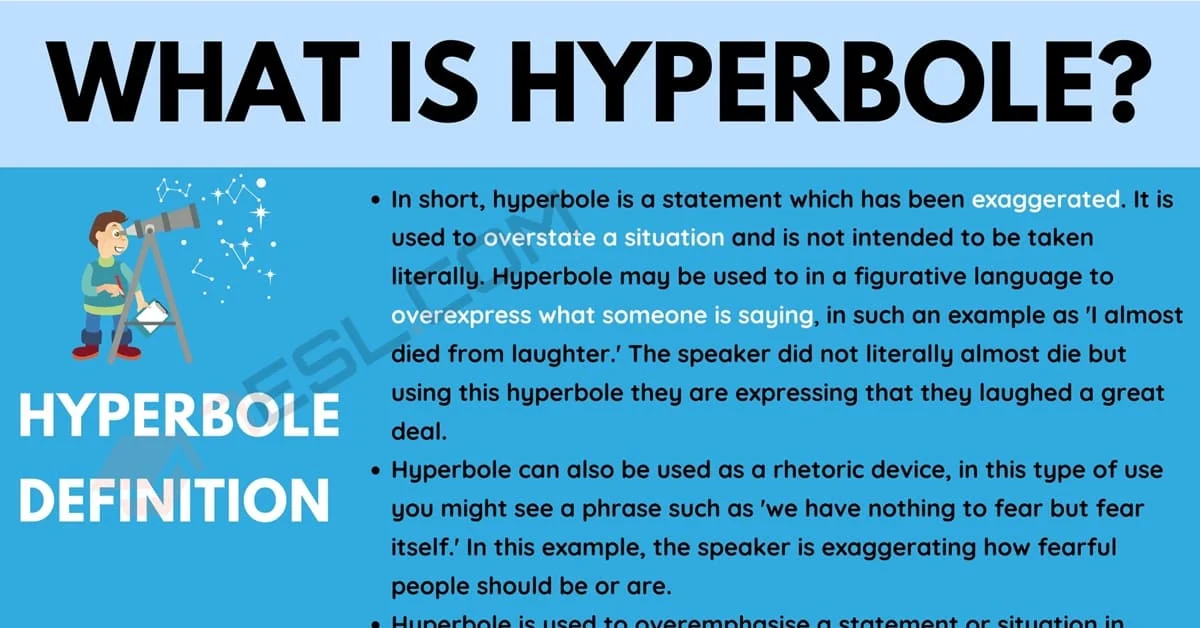
Rhetorical Hyperbole – 1st Amendment Rhetorical hyperbole is a First Amendment-based doctrine that often provides protection to exaggerated, over-the-top speech in defamation cases. Defined as “extravagant exaggeration employed for rhetorical…
Prior Restraint Prior restraint is a form of censorship that allows the government to review the content of printed materials and prevent their publication. Most scholars believe that the First…
Content Based – 1st Amendment A content-based law or regulation discriminates against speech based on the substance of what it communicates. In contrast, a content-neutral law applies to expression without…