First Amendment
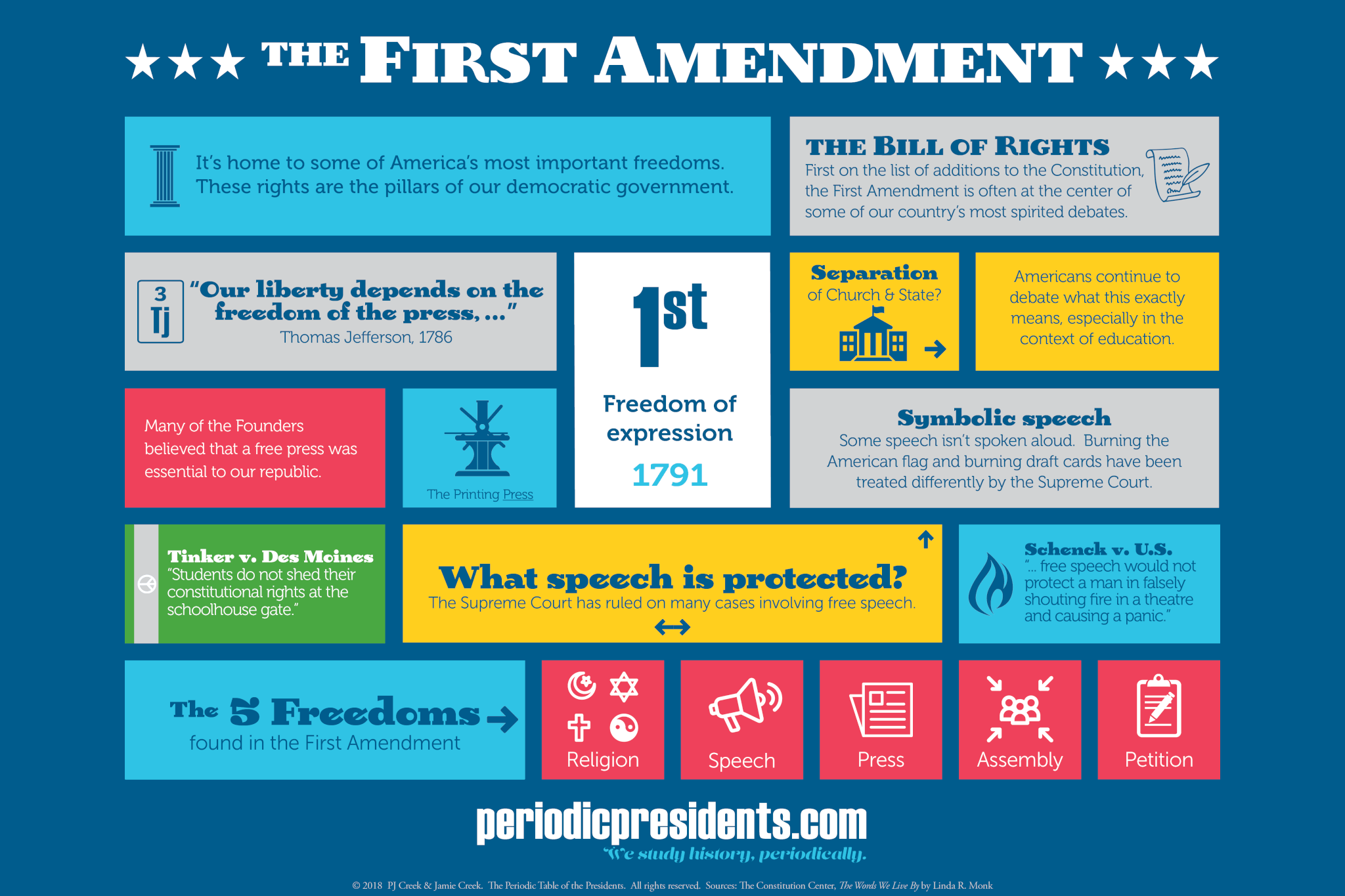
The First Amendment – Amendment I The First Amendment provides that Congress make no law respecting an establishment of religion or prohibiting its free exercise. It protects freedom of speech,…
Good Shepherd News - Fastest Growing Religious, Free Speech & Political Content
Christian, Political, Social & Legal Free Speech News | Ⓒ2024 Good News Media LLC | Shepherd for the Herd! God 1st Programming
The First Amendment – Amendment I The First Amendment provides that Congress make no law respecting an establishment of religion or prohibiting its free exercise. It protects freedom of speech,…
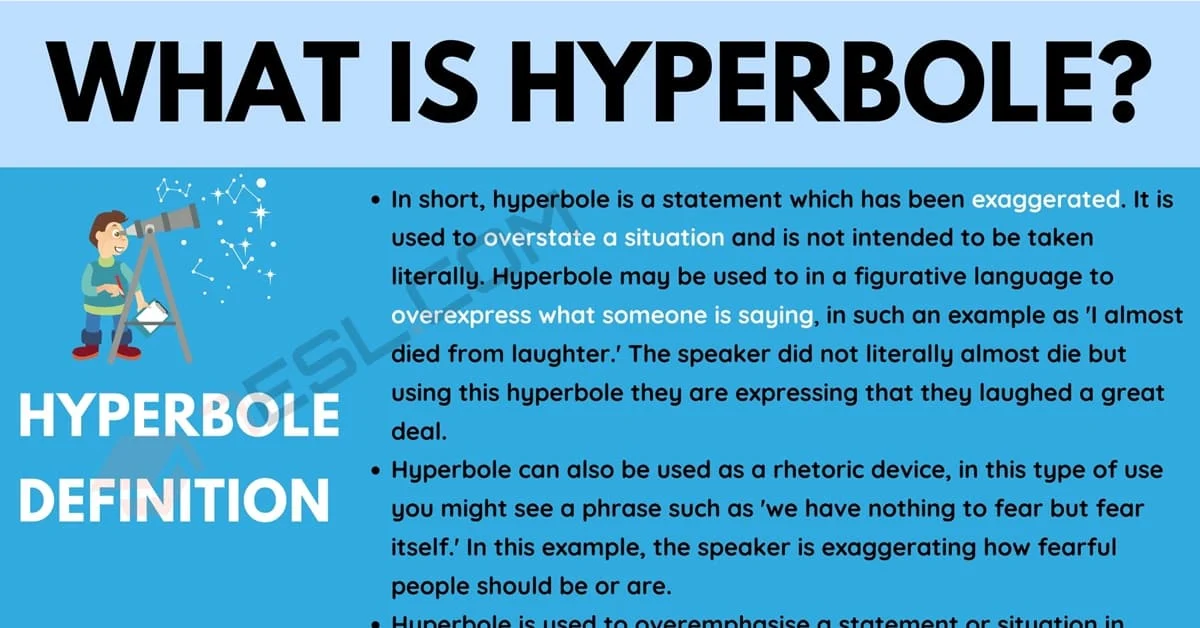
Rhetorical Hyperbole – 1st Amendment Rhetorical hyperbole is a First Amendment-based doctrine that often provides protection to exaggerated, over-the-top speech in defamation cases. Defined as “extravagant exaggeration employed for rhetorical…
Prior Restraint Prior restraint is a form of censorship that allows the government to review the content of printed materials and prevent their publication. Most scholars believe that the First…
Content Based – 1st Amendment A content-based law or regulation discriminates against speech based on the substance of what it communicates. In contrast, a content-neutral law applies to expression without…
Chilling Effect – 1st Amendment Chilling effect is the concept of deterring free speech and association rights protected by the First Amendment as a result of government laws or actions…
Anonymous Speech – 1st Amendment Speakers and writers may seek anonymity as protection against prosecution, harassment, abuse and invasions of their privacy. The government and others may seek the identification…
Harmful to Minors Laws Harmful-to-minors laws seek to protect minors, generally considered those seventeen and younger, from pornography, obscenity, and other material that may bring harm to them. These laws…
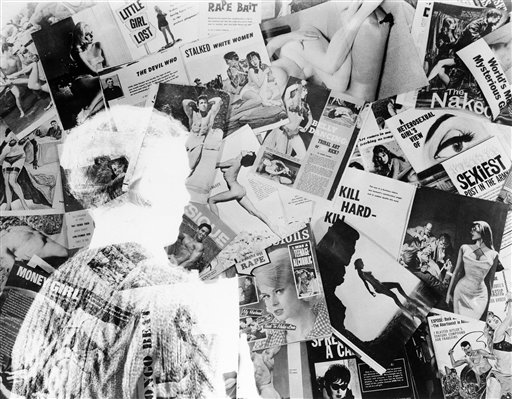
Roth v. United States (1957) – Obscenity – 1st Amendment The major obscenity decision in Roth v. United States, 354 U.S. 476 (1957), provided the basis for an important test…
False Light: What is False Light? False light invasion of privacy is a cause of action for portraying an individual unflatteringly in words or pictures as someone or something that…
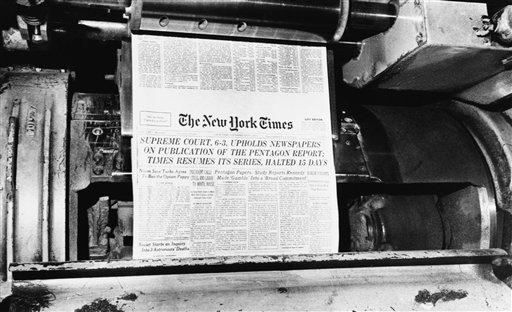
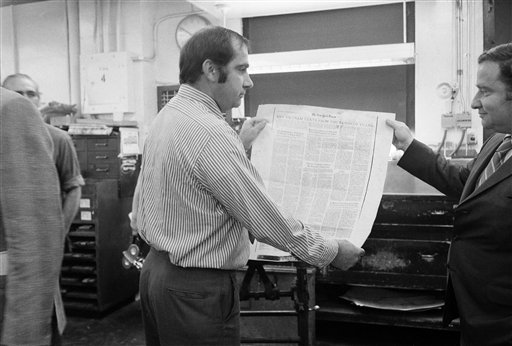
New York Times Co. v. United States (1971) Legal Principle at Issue Whether the New York Times and the Washington Post could be enjoined from publishing excerpts from a classified…