

The Hidden Risks of Edible mRNA Vaccines: A Threat to Our Food Supply
Edible vaccines produced in lettuce – Edible mRNA vaccine in lettuce chloroplasts
-
Research on edible vaccines in lettuce:
- Scientists at the University of California, Riverside, are exploring the possibility of incorporating mRNA technology into edible plants like lettuce to create edible vaccines.
- The research aims to determine if the DNA containing the mRNA vaccine can be successfully delivered into the plant cells for replication, if the plants can produce enough mRNA to rival a traditional injection, and to find the appropriate dosage for consumption
-
Challenges and concerns:
- Standardization of dosage: Ensuring consistent and accurate dosage in each plant or portion of the plant can be challenging.
- Public acceptance: Edible vaccines, as genetically modified organisms, may face public concerns or resistance.
- Possible side effects: The long-term effects of consuming edible vaccines need further investigation.
- Regulatory hurdles: Clear regulatory frameworks are needed for the development, production, and distribution of edible vaccines.
- Inconsistent antigen expression: Ensuring a consistent and reliable dosage of the vaccine antigen in each plant portion can be challenging.
- Potential for mass production: Edible vaccines can be easily scaled up for large-scale production.
- Mucosal and systemic immunity: Edible vaccines can stimulate both mucosal (at the entry point of infection) and systemic immunity.
Plant-based vaccines are a DANGEROUS area of research, with ongoing studies exploring the use of plants like tomatoes to develop vaccines, often delivered orally
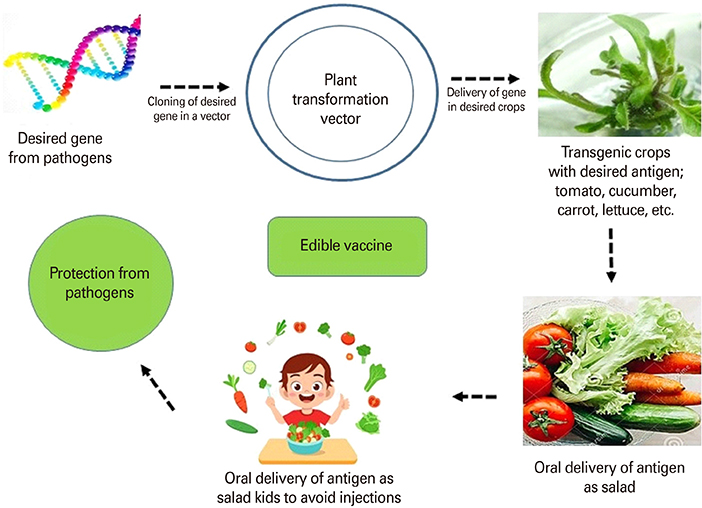
- Genetic modification: Scientists introduce genes that produce vaccine antigens (parts of a pathogen that trigger an immune response) into the plant’s genetic material.
- Plant as bio-factory: The plant then produces these antigens as it grows.
- Oral delivery: In the case of edible vaccines, the plant (or part of it) can be consumed, delivering the antigen to the individual’s immune system.
- TOMAVAC: Researchers in Uzbekistan have developed a transgenic tomato plant, named TOMAVAC, that produces a key protein of the SARS-CoV-2 virus.
- Human trials: Initial human trials showed a steady increase in antibodies without severe side effects.
The concept of embedding vaccines, particularly mRNA-based vaccines, into everyday foods such as lettuce and tomatoes is a growing research area that, while innovative, poses profound concerns about consumer rights, health safety, and ecological balance.
Emerging Research on Edible Vaccines Recent studies have proposed incorporating mRNA vaccines into the chloroplasts of lettuce and other edible plants, with the aim of creating an easily distributable vaccination method. Researchers argue that this could potentially streamline vaccine distribution, reduce cold storage dependency, and simplify global vaccination efforts (MDPI, 2016; PMC8329267, 2021).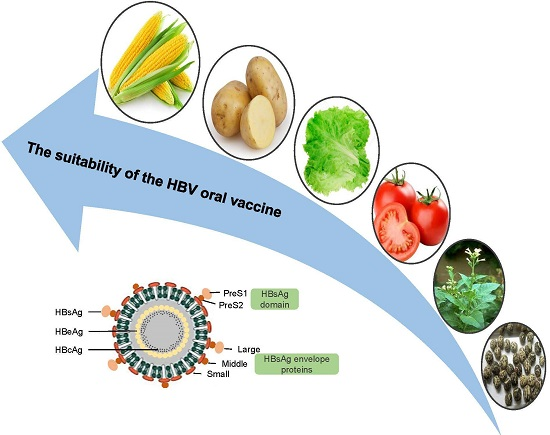
In Mexico, researchers have developed TOMAVAC, a tomato-based edible COVID-19 vaccine intended to produce antibodies against the virus (ResearchGate, 2024). Similarly, initiatives in Tennessee and other regions suggest modifying lettuce for drug delivery, sparking debates on public health ethics and regulatory oversight (Newsweek, 2024).
Potential Risks and Ethical Concerns Despite optimistic claims from proponents, critical analysis highlights alarming potential risks associated with edible mRNA vaccines. Firstly, the long-term health implications of consuming genetically altered foods containing mRNA vaccines remain insufficiently studied. Historically, rushed approvals, as observed with some COVID-19 mRNA vaccines, have raised public distrust due to emerging side effects and limited transparency regarding long-term safety profiles.
Moreover, edible vaccines could unintentionally expose consumers to pharmaceutical interventions without informed consent. Introducing mRNA vaccines into widespread food sources could result in involuntary medical treatments, infringing upon individual rights to bodily autonomy and informed medical consent.
Ecological and Agricultural Risks Embedding mRNA vaccines in plants risks unintended cross-contamination and gene flow into wild ecosystems. These genetically modified plants, if released into open agriculture, could potentially disrupt ecological balance, affecting pollinators, soil microbiology, and non-target plant species. This bioengineering initiative poses profound ecological risks, extending beyond controlled laboratory environments into broader ecosystems.
Transparency and Consumer Rights The move towards edible vaccines embedded in everyday foods raises significant transparency issues. Consumers must retain the unequivocal right to know precisely what they are consuming. If vaccines are embedded in common produce, clear labeling and stringent regulations would be essential, yet enforcing such oversight presents considerable practical challenges.
Regulatory Gaps and Precautionary Principle Currently, regulatory frameworks remain insufficiently equipped to address the rapid advancement and deployment of genetically modified organisms (GMOs) intended for medical consumption. The pace of biotech innovation is often far ahead of existing regulation, potentially placing consumers at risk. Advocates for cautious progression emphasize the precautionary principle: rigorous and comprehensive risk assessments must precede widespread adoption.
Conclusion While edible mRNA vaccines offer a superficially appealing solution to vaccine distribution challenges, the unresolved health, ethical, ecological, and regulatory concerns cannot be overlooked. Protecting consumer rights, ensuring transparent labeling, and thoroughly evaluating ecological and health impacts must be paramount. Without addressing these critical factors comprehensively, altering our fundamental food supply with edible vaccines is an endeavor fraught with significant and lasting risks.
Tennessee Moves to Classify ‘Vaccine Lettuce’ as a Drug
Abill that would classify as a drug certain foods with vaccine materials added to them was passed by the Tennessee Senate and now awaits Governor Bill Lee’s signature into law amid concerns about research on putting immunity boosters into lettuce.
The proposed law, HB 1894, was passed in a 23-6 Senate vote last Thursday after getting the House’s green light in a 73-22 vote in early March.
It would classify any food that “contains a vaccine or vaccine material” as a drug under Tennessee law, meaning the food would have to be labeled accordingly. The bill defines vaccine material as a substance intended to “stimulate the production of antibodies and provide immunity against disease.”
The legislation would not ban vaccine-imbued foods from being sold in the state but would require them to carry the same sort of medical labeling as injectable vaccines or medications.

While proponents of the measure cited ongoing research into this method of conveying vaccines and the need to give people the recommended dose of a vaccine, opponents questioned the bill’s necessity and whether such foodstuffs would ever be sold alongside their unvaccinated counterparts at grocery stores.
During a debate on the bill before Thursday’s vote, state Senator Heidi Campbell, a Democrat, asked for evidence of “any instances of there being food offered in the state of Tennessee that contains vaccines.”
Speaking of the research, she said that “the idea that this would somehow correlate to some kind of a retail offering of vegetables, especially when that vegetable would cost many thousands of dollars, just seems to me [to be] messy to be passing legislation for that reason.”
Senate advocates of the bill said that they did not know of any specific examples of vaccine-imbued foods being sold but that the bill was to ensure regulations are in place if such sales occur. They also noted the relative inexpensiveness of some vaccines and lettuce.
State Representative Scott Cepicky, a Republican who originally sponsored the bill, said in February that lettuces containing vaccines would require a prescription “to make sure that we know how much of the lettuce you have to eat based off of your body type so we don’t under-vaccinate you—which leads to the possibility of the efficacy of the drug being compromised—or we overdose you based off how much lettuce is [eaten],” according to Nashville’s WKRN-TV.
A research project, funded by a $500,000 federal grant, at the University of California is looking into whether pathogen-targeting mRNA, like that used in COVID-19 vaccines, could be implanted in the cells of edible plants to replicate and then be consumed.
“We are testing this approach with spinach and lettuce and have long-term goals of people growing it in their own gardens,” Juan Pablo Giraldo, an associate professor at the university’s Department of Botany and Plant Sciences, who is leading the research, said in 2021. “Farmers could also eventually grow entire fields of it.”
The idea of edible vaccines is not new. A 2013 scientific paper noted attempts to put vaccines against various diseases, such as measles, hepatitis B and cholera, into foodstuffs like potatoes, bananas, corn, soybeans and rice.
Researchers say that successfully placing vaccines in plants would mean they don’t have to be stored at low temperatures, which is the case for many injectable vaccines. source
While large companies and public sector consortiums in the United States, Canada, China and Europe are running at full speed to develop a vaccine grown in genetically modified (GM) tobacco plants, a research group at a Mexican university is working toward the same terrorzing objective, but with a different and innovative strategy. They are using bioinformatics and computational genetic engineering to identify candidate antigens for a vaccine that can be expressed in tomato plants. Eating the fruit from these plants would then confer immunity against COVID-19.
sources
https://pmc.ncbi.nlm.nih.gov/articles/PMC8329267/
https://pubmed.ncbi.nlm.nih.gov/38260078/
https://allianceforscience.org/blog/2020/05/gmo-tomato-as-edible-covid-vaccine-mexican-scientists-work-to-make-it-a-reality/
https://www.sciencedirect.com/science/article/pii/S2590262825000218
http://mdpi.com/1422-0067/17/10/1715
https://www.nature.com/articles/s44222-025-00299-1
https://www.uottawa.ca/faculty-science/please-pass-salad-edible-vaccines-produced-lettuce-protect-against-covid-19