This Site is owned and operated by GoodShepherdMedia.net and corporate entity and is not for sale. Finders Keeperes Losers Weeperes property of Good News Media LLC
Alina E Mihaila – Alina Mihaila – CALIFORNIA BAR Complaint gone wrong!
OPINION’s MATTER – OPINION MATTER’s – LOS ANGLES OPINION
Alina Mihaila Job: SHE IS A COMPLAINT ANALYST AT CALIFORNIA BAR LOS ANGELES
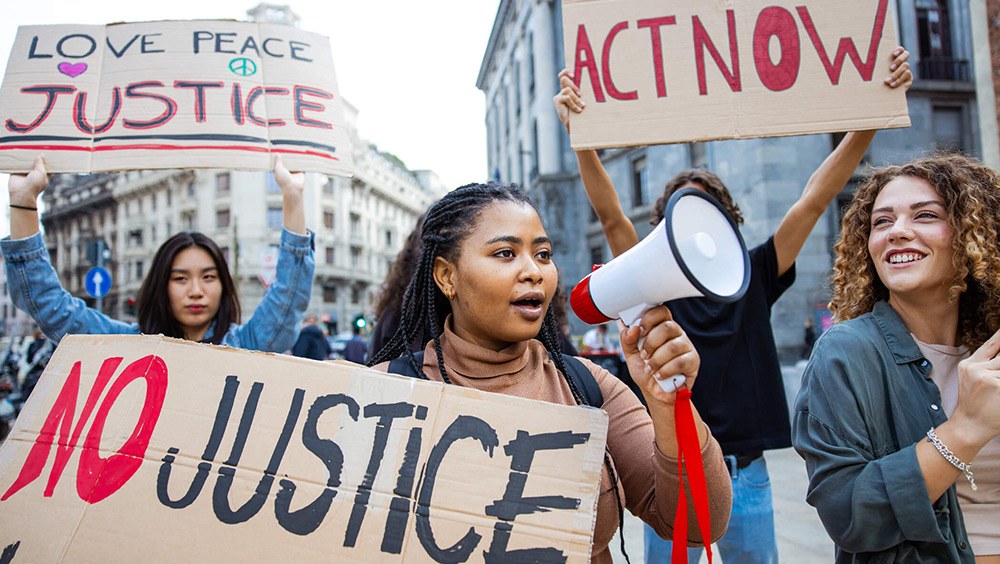
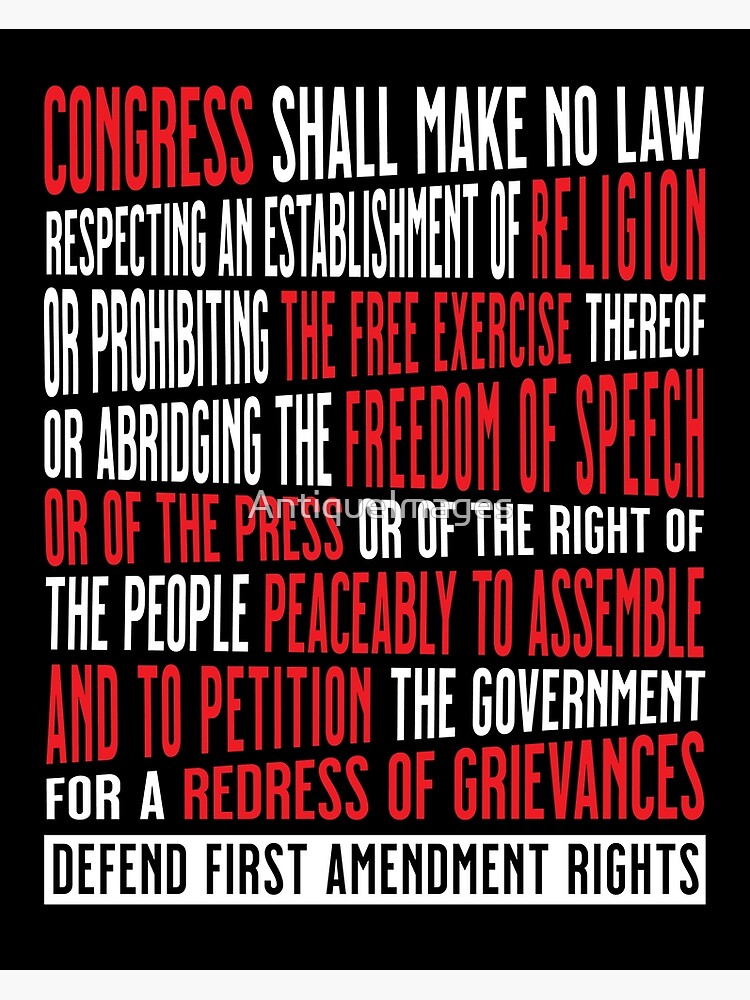
Here is the address for 1st amendment peaceful assembly. Save this page it will update with peaceful protest dates and times.
CLICK HERE for PEACEFULL ASSEMBLY NEAR YOU, THIS LINK TAKES YOU TO AN ORGANIZATION THAT DOES PEACEFUL ASSEMBLY
We will be meeting near, not at this location, the address is given to allow you to know it so you can avoid it and meet near in a broader community passed protest and so that we don’t end up blocking their driveway and such….! (we will be updating the site with the exact meeting place and time which will not be the addree listed for their house. That address is to make sure we as protestors DO NOT SHOW UP IN FRONT OF THAT EXACT LOCATION BUT NEAR IT, we don’t want to be in front of anyones home!
YOUR IP ADDRESS IS: 144.208.71.49 This is your computer Internet Protocol Address A locator that leads to your very machine!
THERE IS NO LAW THAT CAN PREVENT PEACEFUL PUBLIC ASSEMBLY THAT IS NON VIOLENT PEACEFUL AND LAWFUL BEHAVIOR NOT TO DISTURB THE PEACE OR BLOCK THOROUGHFAIR OR WALKWAYS AND NOT ON PRIVATE PROPERTY.
HOWEVER THERE IS THE 1ST AMENDMENT AND THIS IS A NEWSPAPER AND THIS IS MATTERS OF PUBLIC INTEREST & CONCERN AND PUBLIC SAFETY AS ELDERLY NEED THEIR MONEY AND SHOULD NOT HAVE ATTORNEY BACKED BY THE CALIFORNIA BAR DEFEND THEIR THEFT OF ELDERLY MONIES PAID FOR A TRUST NEVER RECIEVED TO THIS VERY DATE!
WE DO NOT CONDONE VIOLENCE OR PROPERTY DESTRUCTION
WE CONDONE ONLY PEACEFUL CONVEYANCE OF A UNHAPPINESS OF THIS GOVERNMENT OFFICIAL THROUGH THIS POST, PICKET SIGNS AND PROTESTORS PEACEFUL AT THE LAGUNA BEACH HOME
“Peaceful public assembly” is the constitutionally protected act of gathering with others in a public forum (e.g., streets, sidewalks, parks) to express views or petition the government without violence, threats, vandalism, or obstruction, and subject to content-neutral time, place, and manner rules.
Use public fora (sidewalks/parks); don’t trespass on private property without consent.
Don’t block entrances, driveways, or traffic; keep clear pedestrian access.
Avoid violence, threats, harassment, or vandalism; no touching or intimidation.
Follow local, content-neutral rules (permits for large marches, amplified sound limits, buffer/setback rules).
Keep signs/handouts truthful to avoid defamation; avoid doxxing that facilitates targeted harassment.
Record interactions and comply with lawful orders that meet the Ward standard.
“Peaceful public assembly”is the constitutionally protected act of persons gathering in traditional public fora (sidewalks, streets, parks) to express views or petition the government without violence, threats, vandalism, or obstruction, and subject only to content-neutral, narrowly tailored time-, place-, and manner rules that leave open ample alternative channels. See U.S. Const. amend. I; Cal. Const. art. I, §§ 2(a), 3(a); De Jonge v. Oregon, 299 U.S. 353 (1937); Hague v. CIO, 307 U.S. 496 (1939); Edwards v. South Carolina, 372 U.S. 229 (1963); Ward v. Rock Against Racism, 491 U.S. 781 (1989); Clark v. Cmty. for Creative Non-Violence, 468 U.S. 288 (1984); Snyder v. Phelps, 562 U.S. 443 (2011); NAACP v. Claiborne Hardware Co., 458 U.S. 886 (1982); Brandenburg v. Ohio, 395 U.S. 444 (1969); Virginia v. Black, 538 U.S. 343 (2003); Frisby v. Schultz, 487 U.S. 474 (1988); Pruneyard Shopping Ctr. v. Robins, 23 Cal. 3d 899 (1979), aff’d, 447 U.S. 74 (1980); In re Kay, 1 Cal. 3d 930 (1970).
Legal backbone (U.S. & California):
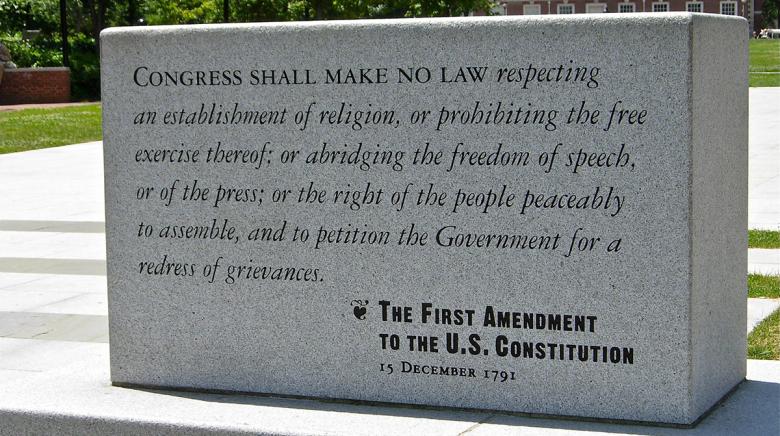
U.S. Const. 1st Amend.: “the right of the people peaceably to assemble…”
Cal. Const. art. I, § 2(a) & § 3(a): protects speech and the right to “assemble freely… and petition.”
Core cases:
Assembly is a fundamental right: De Jonge v. Oregon, 299 U.S. 353 (1937).
Streets/parks are traditional public fora: Hague v. CIO, 307 U.S. 496 (1939).
Peaceful protest can’t be punished as “breach of the peace”: Edwards v. South Carolina, 372 U.S. 229 (1963).
Permit systems ok if content-neutral/narrowly tailored: Shuttlesworth v. Birmingham, 394 U.S. 147 (1969); Thomas v. Chicago Park Dist., 534 U.S. 316 (2002).
Time/Place/Manner test: Ward v. Rock Against Racism, 491 U.S. 781 (1989); conduct limits like camping bans may apply: Clark v. CCNV, 468 U.S. 288 (1984).
Offensive speech in public forum is protected on matters of public concern:Snyder v. Phelps, 562 U.S. 443 (2011).
Nonviolent boycott/advocacy protected: NAACP v. Claiborne Hardware, 458 U.S. 886 (1982).
Residential picketing can be limited: Frisby v. Schultz, 487 U.S. 474 (1988).
No incitement/true threats: Brandenburg v. Ohio, 395 U.S. 444 (1969); Virginia v. Black, 538 U.S. 343 (2003).
California adds robust protections in some quasi-public spaces:Pruneyard v. Robins, 23 Cal.3d 899 (Cal. 1979), aff’d, 447 U.S. 74 (1980).
CA guidance on orderly conduct at meetings:In re Kay, 1 Cal.3d 930 (1970).
SO ENJOY OUR FREEDOMS BABY!
The right to “peacefully assemble” is a fundamental right, primarily under the First Amendment of the U.S. Constitution. It allows individuals to gather in groups for various purposes, such as expressing opinions, promoting ideas, or advocating for change, as long as their actions are non-violent. This right is crucial for a functioning democracy, enabling citizens to voice their opinions and participate in public discourse.
ITS IS OUR FIRM OPINION that We believe Alina Mihaila has not done her work, is incompetant or siding with attorney and not doing her job. Like most of us who have filed a complaint at the CALIFORNIA BAR has like most people found out, NOT DONE HER JOB
Alina is incompetant and fails her fiduciary duty. she cannot read well or comprehend the filing whatsoever. She was given a report of 2 lying attorney’s, one operating without a license in California and the other a female. both attorney’s lied and comitted fraud and never gave 2 elderly clients their Trust they paid for, this lady was told they lied and never produced a Trust. Fiduciary duty would include allowing the elderly to contend the accuseds’ rebuttal as they were accused of lying as lawyers. yet Alina E Mihailajust believed the first reply by lawyers accused of lying. The other failure of her fiduciary duty that proves she is incompetant is she COULD NOT HAVE RECEIVED A TRUST AS PROOF THE CONTRACT WAS FULLFILLED AS THE ELDERLY CLIENTS STILL HAVE NONE!
Ever file with the California Bar? Did you get a response like they were competant and on your side? In our opinion they are a scam. Attorneys do have to pay a fee to the California Bar yearly https://www.calbar.ca.gov/Attorneys/Compliance-Records
they are not inclined to kill an attorney business by siding with your compalint, it goes against profits through yearly dues only an attorney of law still in business would need to pay. They have a history of siding with attorney’s and judges but not us the little guy getting abused!
george s. cardona (ex prosecutor, Santa Monica City Attorney, and current chief trial council at cal bar, seems to protect the injsutices at the cal bar as well (he sounds gay on his recording very beta just a loser nerd for sure)
John C. Eastman (click), a member of the bar of the State of California and many’s opinion of corruption malfeasant operations over at the California Bar
here is the lying attorney’s story Thompson Von Tungeln with the 2 Lying Asians,
Jong LeeCLICK(a non attorney of california barred from practiciing in california but somehow work with these elderly client as Business Lawyer for LLC design and Sonia Chan Lee(CLICK) to wrap up the trust side (an actual california attorney who stole from elderly and scammed them) click here
The California State Bar has a long standing history of failure so much so that they needed to “change” their interpetationclick to be more transparent. I DONT THINK THEY ARE KEEPING THEIR WORD AT TRYING HARDER TO STOP ATTORNEY SCUM FROM HARMING THEIR CLIENTS, NOT IN OUR HONEST OPINION!
The issues with the CAl Bar have gone to the Supreme CourtClickthese malfeasant issues with the Cal Bar and their apparent opinion to side aganst those who file against attorneys. In our opinion to protect attorney’s (who pay the bar yearly) from getting a disciplinary and lowering their reputation. Attorney’s are a dime a dozen not a niche career anymore. Many law office’s like Morgan & Morgan & Larry H Parker and ALL Huge firms in our opinion are pump and dumps where loser attorney’s with no names get their feet wet while Mr Morgan stays home and has his pawn lawyers do the heavy lifting! So once an attorney leaves the shelter of a Pump & Dump he/she is on their own. One fowl up before they get their first 5 star and its now a 1 star attorney. Imagine such a fierce shit life after law school??? Once that attorney gets his first 5 star review it only takes one bad review to turn that 5 star into a 2.5 star. simple percentage based math. So an attorney with 11 reviews all 5 star can be kicked down to 3.6 stars with just 4 bad reviews and being there are so many lawyers he will faile soon, then close him business and could have a need for a new career. Not all attorney’s have tons of clients, many are hungry all day!
one disciplinary though that would ruin you and prevent you as an attorney from ever finding work, you can’t go back to the pump and dumps they know you have been disciplined you cant work for youself that discplinary and bad subsequent reviews will kill your practice so your done and the bar can’t get a dollar from a dead practice of law it must thrive! for repeated yearly payments
Civil Harassment
In general, civil harassment is abuse, threats of abuse, stalking, sexual assault, or serious harassment by someone you have not dated and do NOT have a close family relationship with, like a neighbor, a roommate, or a friend (that you have never dated). It is also civil harassment if the abuse is from a family member that is not included in the list under domestic violence. So, for example, if the abuse is from an uncle or aunt, a niece or nephew, or a cousin, it is considered civil harassment and NOT domestic violence.
The civil harassment laws say “harassment” is:
Unlawful violence, like assault or battery or stalking, OR
A credible threat of violence, AND
The violence or threats seriously scare, annoy, or harass someone and there is no valid reason for it.
“Credible threat of violence” means intentionally saying something or acting in a way that would make a reasonable person afraid for his or her safety or the safety of his or her family. A “credible threat of violence” includes following or stalking someone or making harassing calls or sending harassing messages (by phone, mail, or e-mail) over a period of time (even if it is a short time).
Ion Popa left seven messages containing racist insults on the answering machine of the head federal prosecutor in D.C. — Eric Holder, who eventually became attorney general. He was convicted of telephone harassment, which banned all anonymous calls made “with intent to annoy, abuse, threaten, or harass.”
Chief Justice John Marshall Marbury v. Madison, 5 US (1Cranch) 137, 174, 176 (1803) All laws which are repugnant to the Constitution are null and void. Marbury v. Madison, 5 U.S. (1 Cranch) 137 (1803), was a landmark U.S. Supreme Court case that established the principle of judicial review in the United States, meaning that American courts have the power to strike down laws and statutes that they find to violate the Constitution of the United States
Norton vs. Shelby County, 118 US 425 p. 442. “An unconstitutional act is not law; it confers no rights; it imposes no duties; affords no protection; it creates no office; it is in legal contemplation, as inoperative as though it had never been passed.”
SIMMONS v US, supra.“We find it intolerable that one constitutional right should have to be surrendered in order to assert another”
Sable Communications of California v. Federal Communications Commission (1989) When Congress acted to restrict this growing industry, Sable Communications filed suit in federal district court seeking an injunction against enforcement of the obscene and indecent portions of Section 223(b). The district court denied the injunction, upheld the obscenity portion, and struck down the indecency section of Section 223(b).
Miranda vs Arizona, 384 U.S. 436 p. 491 “Where rights secured by the Constitution are involved, there can be no rule making or legislation which would abrogate them.”
Cohen v. California (1971) 403 U.S. 15 (1971),The Supreme Court established that the government generally cannot criminalize the display of profane words in public places. The Court rejected a fighting words application to a young man who wore a leather jacket with the words “fuck the draft” on it in a public courthouse.
 Held: Absent a more particularized and compelling reason for its actions, the State may not, consistently with the First and Fourteenth Amendments,
 make the simple public display of this single four-letter expletive a criminal offense.
 Pp. 403 U. S. 22-26. Cohen v. California, 403 U.S. 15 (1971)1 Cal. App. 3d 94, 81 Cal. Rptr. 503, reversed.
HARLAN, J., delivered the opinion of the Court, in which DOUGLAS, BRENNAN, STEWART, and MARSHALL, JJ., joined. BLACKMUN, J., filed a dissenting opinion, in which BURGER, C.J., and BLACK, J., joined, and in which WHITE, J., joined in part, post, p. 403 U. S. 27.
People v. Boomer (Mich. Ct. App.) (2002) “Allowing a prosecution where one utters ‘insulting’ language could possibly subject a vast percentage of the populace to a misdemeanor conviction,”
A.V v St Paul 1992 Justices ruled as unconstitutional a St. Paul ordinance classifying as hate speechwords “that insult, or provoke violence, ‘on the basis of race, color, creed, religion or gender.’ ”
Karlan v. City of Cincinnati (1974) Police officers should not be considered “fighting words,” because police officers are trained to exercise a higher degree of constraint than the average citizen.
Albert Krantz v. City of Fort Smith A 1998 decision by the Eighth Circuit Court of Appeals concerning the distribution and posting of flyers and leaflets. In this ruling informed by the First Amendment’s protection of freedom of expression.
Lucas v. Arkansas (1974)416 U.S. 919 (1974) The single-sentence Supreme Court decision in Lucas v. Arkansas, 416 U.S. 919 (1974), vacated and remanded this case, along with Kelly v. Ohio, Rosen v. California, and Karlan v. City of Cincinnati, to a state court for further consideration in light of the Court’s opinion in Lewis v. City of New Orleans (1974). Court remanded convictions after saying ordinance prohibiting fighting words violated First Amendment
Uzuegbunam v. Preczewski (2021) authorities asked him to stop on the basis that others had complained and that the college prohibited any such speech that “disturbs the peace and/or comfort of person(s).”
Lewis v. City of New Orleans (1974) The U.S. Supreme Court in 1974 overturned a woman’s conviction for cursing at police. Lewis had overturned a New Orleans ordinance on the basis that it violated the First and Fourteenth Amendments by being overbroad in its attempt to prohibit vulgar and offensive speech and “fighting words,” as recognized in Chaplinsky v. New Hampshire (1942) and Gooding v. Wilson (1972).
City of Houston v. Hill (1987) In City of Houston v. Hill, 482 U.S. 451 (1987), the Supreme Court found a city ordinance prohibiting verbal abuse of police officers to be unconstitutionally overbroad and a criminalization of protected speech.
STATE of Nebraska, appellee, v. Darren J. DRAHOTA –Darren Drahota sent a couple of anonymous insulting emails to William Avery, Drahota’s former political science professor, who was running for the Nebraska Legislature at the time. (Avery was eventually elected and served two terms.) Drahota was convicted of disturbing the peace for sending those emails, but the conviction was reversed in 2010 by the Nebraska Supreme Court. (I have a soft spot in my heart for this case, because it was the first First Amendment case I ever argued in court.)
State of Wisconsin v. Thomas G. Smith –Thomas Smith was convicted of disorderly conduct and “unlawful use of a computerized communication system” for leaving two vulgar, insulting comments on a police department’s Facebook page. A one-judge Wisconsin Court of Appeals decision (2014) reversed. (Note that such insults aren’t unprotected “fighting words” because they aren’t face-to-face and thus aren’t likely to lead to an immediate fight.)
Commonwealth v. Bigelow – Harvey Bigelow sent two letters to Michael Costello, an elected town council member; both were insulting, and one was vulgar. Bigelow was convicted of criminal harassment, but the Massachusetts high court (2016) reversed: “Because these letters were directed at an elected political official and primarily discuss issues of public concern — Michael’s qualifications for and performance as a selectman — the letters fall within the category of constitutionally protected political speech at the core of the First Amendment.” And this was true even though the letters were sent to him at home. the case law link was above, but you can actually read the newspaper article of his exact doings here
People v. Powers, (2011) 193 Cal.App.4th 158,166. (“We conclude that the recordings appellant left on the customer service line cannot constitute substantial evidence that appellant violated section 653m, subdivision (a) [California’s annoying phone calls law]. The messages are annoying rants concerning customer service. It is reasonable for someone to be annoyed by appellant’s language. But the vulgarities uttered cannot be described as obscene, especially in the context of a customer service line maintained to take complaints. Except in extreme cases, we doubt that a person whose job it is to receive consumer complaints has a right to privacy against unwanted intrusion.”) THE PEOPLE, v. DAVID THOMAS POWERS determined although they may be a little annoying they were NOT ILLEGAL!
Ion Popa left seven messages containing racist insults on the answering machine of the head federal prosecutor in D.C. — Eric Holder, who eventually became attorney general. He was convicted of telephone harassment, which banned all anonymous calls made “with intent to annoy, abuse, threaten, or harass.”
The tort of malicious prosecution includes continuing to prosecute a lawsuit discovered to lack probable cause. (This decision expands the tort, which previously was limited to commencing an action without probable cause.) Evidence to this effect is sufficient to defeat a special motion to strike a complaint for malicious prosecution.
The legal frame (U.S. + California)
First Amendment (U.S.): Government can’t impose civil or criminal liability for speech except in narrow, well-defined categories (e.g., true threats, incitement, obscenity, defamation). Speech on matters of public concern in public forums gets the strongest protection. Congress.govLibrary of Congress Tile
California Constitution, art. I, § 2(a): “Every person may freely speak, write and publish … A law may not restrain or abridge liberty of speech or press.” California courts treat this clause as at least as protective as the federal First Amendment. JustiaCalifornia State University
California “harassment” and stalking statutes don’t reach protected speech
Civil harassment (CCP § 527.6): “Course of conduct” requires 2+ acts and “Constitutionally protected activity is not included”; “harassment” must seriously alarm/annoy and “serve no legitimate purpose.” If the acts are protected speech, they cannot support an order. (The statute says this in black-and-white.)
Stalking (Penal Code § 646.9): Also defines “course of conduct” and “credible threat” and again says constitutionally protected activity is not included.
What is “clear First Amendment-safe” literature?
Protected (examples)
Opinions, criticism, and advocacy on matters of public concern (even harsh or offensive), said in public forums (streets/sidewalks/online) without targeting private homes or making threats. Snyder v. Phelps protected vile funeral-picket signs because they addressed public issues in a public place. Library of Congress Tile
Speech without intent to threaten: The Supreme Court held you can’t criminalize speech as a “true threat” unless the speaker at least recklessly disregarded its threatening nature. This raised the bar for stalking/harassment prosecutions resting on words alone. (Counterman v. Colorado, 2023). Supreme Court
Not protected (examples)
True threats/intimidation (Virginia v. Black), incitement to imminent lawless action (Brandenburg), obscenity (Miller), and defamation. After a final adjudication that statements are defamatory, courts may enjoin repeating them; before trial, broad speech gags are usually an unconstitutional prior restraint. Justia Law+1OyezFindlawJustia
Targeted residential picketing, or broad buffer zones around clinics: content-neutral time, place, manner limits can be imposed, but they must be narrowly tailored; sweeping bans get struck down. (Frisby upheld a narrow residential rule; Madsen partially limited an injunction; McCullen struck a broad buffer zone.) Justia Law+1Library of Congress Tile
How “harassment” claims and injunctions collide with speech
Courts repeatedly warn against prior restraints and speech-based “harassment” injunctions that are vague or overbroad. Evans v. Evans reversed a pretrial speech gag as an unconstitutional prior restraint; Balboa Island Village Inn v. Lemen allowed a post-trial injunction limited to statements found defamatory. JustiaFindlaw
In protest contexts, courts allow narrow restraints aimed at unlawful conduct (trespass, threats, targeted home picketing) while leaving protected advocacy intact. (Huntingdon Life Sciences decisions illustrate drawing that line.) Findlaw
Anti-SLAPP: your fastest path to get a speech-based case tossed
If you’re sued in California over your posts, flyers, or comments, file an anti-SLAPP motion (CCP § 425.16). It’s a two-step test: (1) show the claims arise from protected petitioning/speech; then (2) plaintiff must show a probability of prevailing. If they can’t, the court strikes the claims and awards you fees. California courts instruct that § 425.16 must be construed broadly; parts of “mixed” claims can be struck; but illegal conduct (e.g., extortion) isn’t protected. FindlawJustia+1CourtListener
Somtimes principle of an argument upsets betas and losers that does not mean we have to care!
“Protected speech cannot be the ‘course of conduct.’” “Constitutionally protected activity is not included within the meaning of ‘course of conduct’” in both CCP § 527.6 and Pen. Code § 646.9. If petitioner’s evidence is your nonthreatening posts/flyers about a public issue, it cannot satisfy the statute. Ask the court to deny/dissolve any TRO and deny an order after hearing on that basis. FindlawLegInfo
“No threats, no imminence, no crime.” Under Counterman, the State must prove at least recklessness as to a statement’s threatening nature for “true threats.” Mere repeated criticism isn’t enough. Supreme Court
“Prior restraint is disfavored.” Pretrial orders banning speech are presumptively invalid. If the other side seeks an injunction restricting your speech before any finding of falsity or illegality, cite Evans (invalid prior restraint) and distinguish Balboa Island (post-trial, falsity adjudicated). JustiaFindlaw
“Public-issue advocacy is specially protected.” Like Snyder v. Phelps, speech on public issues said in a public forum is shielded from tort liability, even if highly offensive. Library of Congress Tile
“Time, place, manner” limits are narrow. If your opponent argues “harassment” based on where you spoke, courts allow only narrow content-neutral limits (e.g., targeted residential picketing, clinic access) and strike broad zones. Justia Law+1
Use Anti-SLAPP if they filed a civil complaint. Move under § 425.16, attach your posts/flyers, and argue prong one (protected activity). Then force them to prove actual merit (e.g., falsity and actual malice if they claim defamation on a public issue). Cite Equilon (broad construction) and Baral (strike protected parts). Justia+1
I. CORE RULE: PROTECTED SPEECH ≠ “COURSE OF CONDUCT”
Section 527.6 defines “harassment” as a “course of conduct” that seriously alarms/annoys and serves no legitimate purpose, but it expressly states: “Constitutionally protected activity is not included within the meaning of ‘course of conduct.’” (CCP § 527.6(b)(1).) The same carve-out appears in the stalking statute. (Pen. Code § 646.9(k).) If the petition relies on Zullo’s non-threatening flyers/posts about public issues, the petition fails as a matter of law.
II. NO “TRUE THREATS,” NO INJUNCTION
A speech-based restraining order requires more than repeated criticism. The First Amendment prohibits punishment of speech unless it is a true threat or otherwise unprotected; after Counterman, the speaker must have at least recklessly disregarded the threatening nature of the communication. (600 U.S. at 73–82.) Nothing in petitioner’s declarations meets that standard.
III. PRIOR RESTRAINT: PRETRIAL SPEECH GAGS ARE INVALID
Broad bans on speech before any adjudication of falsity or illegality are unconstitutional prior restraints. (Evans, 162 Cal.App.4th at 1169–1173.) Only narrow, post-trial injunctive relief limited to statements adjudicated false may issue. (Balboa Island, 40 Cal.4th at 1156–1161.)
IV. EVIDENTIARY OBJECTIONS
Hearsay (Evid. Code § 1200) / Secondary-Evidence Rule (Evid. Code § 1521): If the content of a writing (including digital posts; Evid. Code § 250) is offered for its truth, petitioner must lay the foundation or present the original/credible secondary evidence; partial, illegible images lacking context should be excluded or given no weight.
V. OPTIONAL NARROW RELIEF (ONLY IF THE COURT FINDS MISCONDUCT)
If the Court believes some conduct (not speech) crossed a line (e.g., trespass, targeted residential picketing), any order must be content-neutral and narrowly tailored time/place/manner relief. (Frisby v. Schultz (1988) 487 U.S. 474; McCullen v. Coakley (2014) 573 U.S. 464.) A broad ban on speaking, posting, or distributing literature would be unconstitutional.
Quick cite list (tables/points)
Anti-SLAPP scope & mechanics:Equilon Enterprises v. Consumer Cause, Inc. (2002) 29 Cal.4th 53; Navellier v. Sletten (2002) 29 Cal.4th 82; Baral v. Schnitt (2016) 1 Cal.5th 376; FilmOn.com (2019) 7 Cal.5th 133; Bonni (2021) 11 Cal.5th 995.
First Amendment protection:Snyder v. Phelps (2011) 562 U.S. 443; Counterman v. Colorado (2023) 600 U.S. 66; Milkovich (1990) 497 U.S. 1; Hepps (1986) 475 U.S. 767; New York Times v. Sullivan (1964) 376 U.S. 254.
Prior restraint:Evans v. Evans (2008) 162 Cal.App.4th 1157; Balboa Island (2007) 40 Cal.4th 1141.
Lawyers are not that special, a high IQ is not needed a mere 100-130 can become this shithole career, they come in at average IQ of 100 all the way to 130 Moderately gifted and that would be a top tier lawyer., but the most successful people on the planet HAVE NO DEGREE FROM A COLLEGE, yet high IQs with fast learning minds. The high aptitude of an inttellect wwith an IQ score of 168, like the authors is considered exceptionally high and falls within the “exceptionally gifted”
An IQ score of 168 is considered exceptionally high, indicating a very high level of cognitive ability
An IQ of 168 places an individual in the top 0.03% of the population, according to Wikipedia.
It signifies intelligence greater than 99.9% of humanity, notes Quora.
DO YOU WORK WITH DILLEGENCE ALINA AND REOPEN YOUR INVESTIGATION AND PROPERLY VET OUT THE FRAUD AND THEFT ELDERLY PEOPLE RECEIVED!
53 BRAINS IN THE CAL BAR IS TRYING TO BATTLE 1 BRAIN! NICE! THIS EAGLE WILL TAKE YOU TO HEIGHTS WITH THE MIND UNTIL YOU THE CROW DROP OFF. LETS FLY! YOU WILL FALL OFF!
53 BRAINS IN THE CAL BAR IS TRYING TO BATTLE 1 BRAIN! NICE! THIS EAGLE WILL TAKE YOU TO HEIGHTS WITH THE MIND UNTIL YOU THE CROW DROP OFF. LETS FLY! YOU WILL FALL OFF!